Pumping projects may seem simple on paper. Water enters at one location and is required to move to another. In practice, distances between these two points may be influenced by elevation changes, solids and pressure requirements in addition to storage capacity, control electrical equipment, site restrictions as well as changes in flow rates.
For Romtec Utilities, the design of a pump station starts with defining those operating conditions instead of choosing equipment from a catalog. Design concepts and budgetary information are then developed based on what the project will actually require.
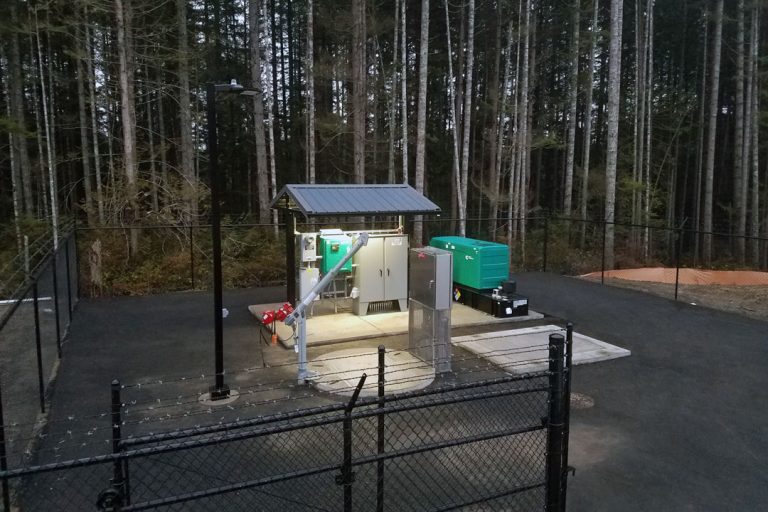
Image credit: romtecutilities.com
Begin with a single question How are We Moving?
The technology changes instantly.
The flow of domestic sewage can be subject to significant variations throughout the day. A wastewater lift station must move that wastewater reliably when gravity conveyance is unavailable or insufficient. Engineers have to be aware of the following: expected inflow the condition of the pump, its peak, capability, wet well behavior, discharge requirements and how equipment is operated and maintained.
Industrial water is a subject that presents a range of difficulties. The fluids used in a manufacturing or processing facility might require caustic, oily or heated at extreme temperatures or pressure. Romtec Utilities designs industrial systems for applications ranging from power generation and food processing to data centers pharmaceutical waste, oil and gas plants.
Rainfall is the cause of a totally different Operating Cycle
Stormwater systems are often inactive for extended periods until they suddenly need to handle large volumes in the course of a major storm.
A stormwater liftstation associated with an egress basin needs to work, for example, as part of the larger drainage plan for the site. Runoff flows into a basin. The temporary storage controls the quantity immediately. A pumping system then transports the water that is collected to a designated outlet.
Romtec Utilities offered this type of solution to an Norco, California business park. The project called for a pumping station for emptying a detention system into the stormwater drainage system of the public. The station was planned to function as a part of the drainage system for a particular development rather than an individual part of the equipment.
“Package” Doesn’t need to Mean Off-the-Shelf
A lot of people think that a package-pumping system is just a predetermined set of components.
Packaging is a method to integrate the main components into a project-specific system. Meters, pumps, valves, controls, communications, structural elements, as well as other equipment can be arranged according to the necessary duty requirements.
This method is especially beneficial when a brand new system needs to connect with existing infrastructure. In industrial plants and municipal buildings, there is rarely enough space or a complete clean environment for the installation. Equipment could need to be fitted within existing structures, piping electric systems, as well as operating schedules.
Capacity planning has real implications
In particular, undersizing can be costly as facilities expand.
Romtec Utilities, a Portland International Airport utility company, designed and provided a sewer interceptor lifting station for the PDX Next project. The new station was built to provide double the peak flow capacity of the existing system as the airport’s facilities grew.
This illustration illustrates an important engineering concept: Design conditions shouldn’t be restricted to the amount of work a facility is able to cope with on the typical afternoon. Engineers must know the conditions that occur during peak demand.
The work isn’t over until the equipment arrives.
In the end, drawings and calculations have to become an operating system. Installation coordination, startup and testing, documentation and operator understanding are all vital for long-term efficiency.
Years after construction, the performance of engineered pumping system is assessed. When the flows rise or a storm of major magnitude arrives or the equipment needs to be maintained The decisions made during preliminary design are evident.
Romtec Utilities brings these two decisions together to provide a complete pumping solution for a specific project. It can help turn equipment into infrastructure that is specifically designed for the conditions that it will be utilized.