The success of any park doesn’t depend on the opening day. The test is more effective five, ten, and twenty years down the road. Do the toilets still require minimum maintenance? Does the material have a long-lasting withstand outdoor use and weather? Does the structure work with the surrounding park? The most important concern is: Did the initial plan result in a structure that actually performs?
These questions demonstrate that comparing renderings are not enough to choose the most suitable park design. Public architecture needs to endure permits, bidding and construction. Additionally, it must be maintained over years of service.
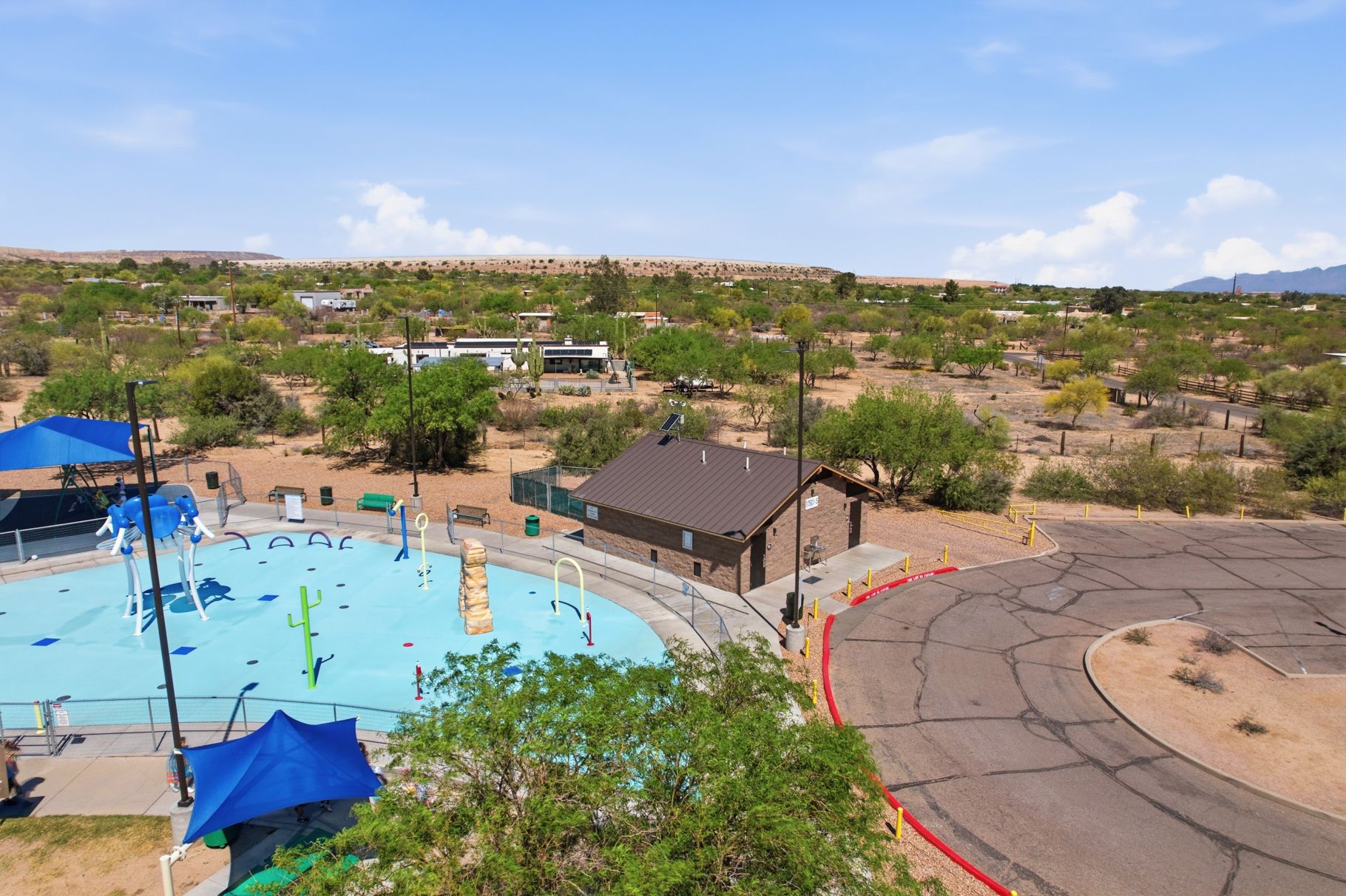
Image credit: romtec.com
The Design Decisions you make have operational implications.
Take a look at something as basic as an exterior coating. It can influence the look however it can also impact cleaning costs, repair costs as well as weather resistance. Roof design can reinforce the visual character of a place, but it also has the potential to impacting drainage and maintenance. Design layouts in the interior affect the accessibility of the park, visitors’ circulation as well as cleaning procedures and the position of fixtures.
The most successful creators of park bathrooms must consider both the architecture and the operational aspects.
Romtec collaborates with municipalities, contractors and other stakeholders in the design of bathrooms that are custom-designed instead of limiting projects to a restricted selection of standard appearances. Materials, shapes, and hues can be coordinated to the surrounding environment.
The Drawing has to be an actual building
The idea may look fantastic on the screen, but it might not be practical to construct or priced. Building codes, ADA requirements, locally licensed architectural review, available components, structural requirements, and construction costs are all part of the equation.
Romtec offers assistance to projects by providing preliminary designs, estimates, and bid drawings. We also provide specifications, renderings, and engineered plans as well. The involvement of Romtec helps to bring the design concept from concept to completion.
When evaluating the best park restroom builder, owners should consider this middle portion of the project carefully. In the transitional phase between construction and design, missing specifications, unrealistic choices for materials, and a lack of coordination can cost a lot.
Public Restrooms are Infrastructure
It is common to think of the public restrooms as adding value to the larger park. They are more of an infrastructure, not much else.
In a busy bathroom that is used by families, children, and seniors can be using it at the same time as maintenance workers or tourists, maintenance crews or people with disabilities. In the case of a project, planners may need to take into consideration ADA accessibility, durable surfaces and ventilation, as well as utilities, vandal-resistant parts, energy efficiency cleaning access, as well as anticipated visitor capacity.
A campground has different requirements as compared to a park located in the city. A sports venue could have high traffic during games, while parks in the neighborhood could have the occasional use. The difference in use should impact the structure rather than be taken care of after construction.
Budgeting without Designing Everything Out
In public construction, it’s impossible to control costs This does not mean that every feature must be removed.
Understanding the real material and construction costs before they are incurred can help designers make better choices when it comes to tradeoffs. A feature that has lower value operationally can be changed to a more durable material that is more practical, or an architectural element which can be more valuable.
Romtec’s experience with restrooms as well as concessions shelters showers and multipurpose facilities, permits these discussions while designs are not closed.
At the end of the day, a well designed park toilet is successful since the users don’t have to be concerned about it. It’s easy to use and is accessible, in tune with the surrounding environment, reliable, and designed to last for a long period of time. Its apparent simplicity hides an intricate mix of engineering, architecture and budgeting as well as documentation.