The day of opening isn’t the ideal time to evaluate a park’s success. The test is higher five 10, ten and twenty years down the line. Does the restroom remain simple to maintain? The material has lasted through constant weather and public usage? Does the structure integrate with the surrounding park? The most important issue is: did the initial plan result in a structure that actually functions?
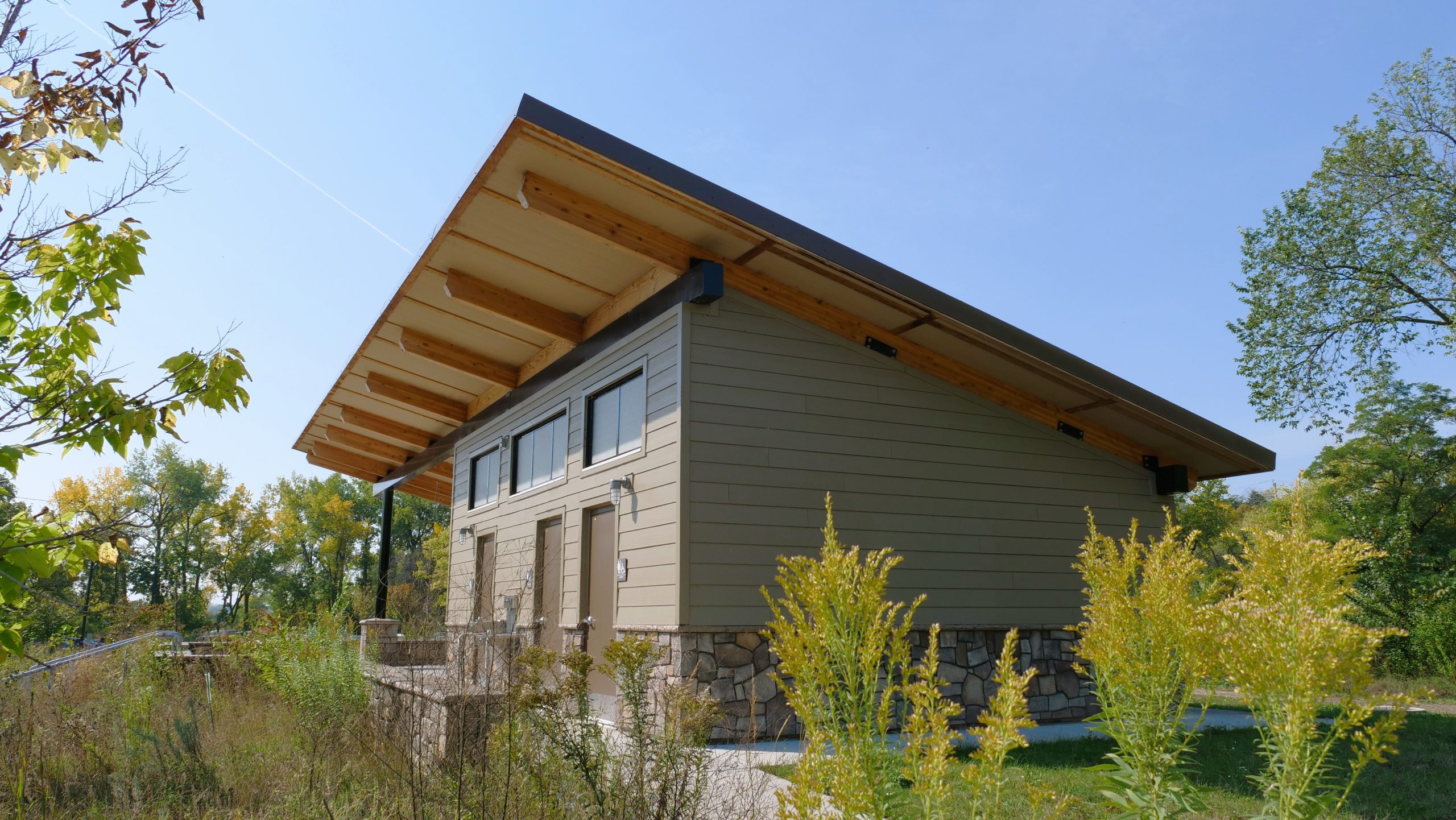
Image credit: romtec.com
Those questions illustrate why selecting the best park building designer involves more than comparing attractive renderings. Public architecture must endure the rigors of bidding, permitting and construction. Additionally, it must be maintained throughout its years of use.
Design Decisions Have Operational Consequences
It’s as easy as the finish of the exterior. It can affect the appearance of the building however it could affect cleaning requirements as well as repair costs weather resistance, as well as how easily graffiti can be removed. The layout of the roof can boost the appearance of a park, but it can also affect drainage and maintenance. Design layouts in the interior affect accessibility, circulation for visitors, cleaning routines, and the position of fixtures.
Park restroom designers who are experienced must therefore think about both operation and architecture.
Romtec works in close collaboration with municipalities, contractors and other stakeholders in the design of customized restrooms rather than limiting the design of projects to a small selection of common designs. Materials, shapes, colours, siding, fixtures and more can be integrated with the surrounding development.
The Drawing Needs to Be a Building
Even if an idea looks great on screen however, it may cause problems in the real world in terms of construction or pricing. The construction codes, ADA requirements and local licensed architectural review, as well as available components such as structural requirements, construction costs are all factors to be considered.
Romtec supports projects with preliminary designs and estimates, bid drawings specifications, renderings, engineered plans, and submittal documents. The involvement of Romtec helps to carry the architectural concept from early design to procurement and construction.
When looking for the most reputable park restroom builder, owners must consider the middle part of the project carefully. The transitional period between construction and design, the absence of specifications, unrealistic material selections, and inadequate coordination can cost a lot.
Infrastructure also includes public restrooms
The restrooms for the public are often overlooked as a component of the park. They’re more of an infrastructure than anything else.
In a busy bathroom family members, children, and senior citizens may be using it simultaneously as maintenance workers as well as tourists, maintenance teams and visitors who have disabilities. Based on the type of design, planners might have to think about ADA accessibility as well durable surfaces such as utilities, vandal resistance in addition to energy efficiency and cleaning accessibility.
A campground is different from a central park. A sports center could see intense traffic concentrated around events, whereas a neighborhood facility might see minimal but steady use. These distinctions should be taken into account when building the facility rather than following.
Budgeting without defining everything out
Controlling costs in public construction is inevitable However, that doesn’t mean that you have to take away every single unique feature.
The ability to determine the exact construction and material costs in advance can help architects create better trade-offs. The money can be diverted from a component with no operational value to a durable material, a more durable fixture, or a feature that gives more significance to the building.
Romtec’s experience with restrooms concessions, pavilions, shelters, showers and multipurpose facilities allows these conversations to occur while the designs remain adaptable.
A clean and well-designed restroom in a park is successful because it is rarely an issue for the visitors. It’s accessible and well-designed, appropriate for its surroundings, reliable and built to last. The apparent simplicity conceals a complex combination of engineering, design and budgeting as well as documentation.