Engineering would be considerably simpler if water always arrived at the same speed.
It’s not.
The amount of wastewater that enters a residential system may vary through the day. Commercial and industrial buildings may have operating highs. Stormwater levels can drastically change with the weather. The demand for clean water can also increase and decreases based on the usage.
It’s not enough just to select equipment that can achieve a specific flow rate when designing the pumping station. Engineers should be aware of the environmental conditions that the system will be exposed to.
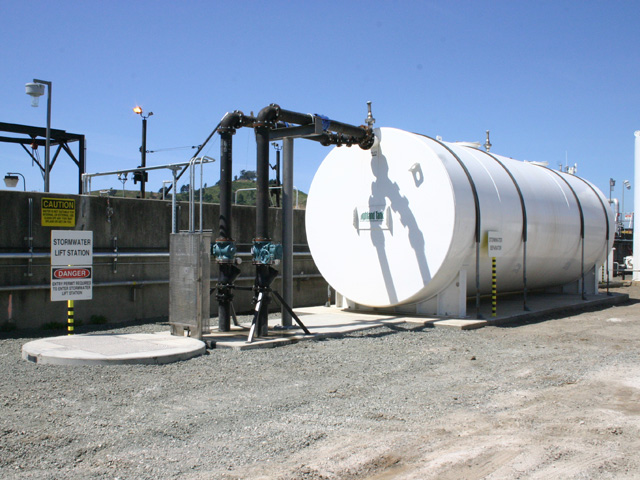
Image credit: romtecutilities.com
Be aware of the operating conditions and Not Just the Maximum Capacity
The maximum flow is important however it’s just one aspect of the station’s operations. Imagine a system for wastewater that is designed for a high peak-flow. The majority of the time the flow that enters it could be significantly lower. During these normal periods, the station must still function properly.
This raises questions regarding wet-well size as well as pump operation and control Head conditions, as well as how equipment will react to a changing demand.
When designing a pumping system for package use it is essential to take into account the requirements of the location and not just the pump capacity.
The Everyday Routine of Wastewater
A wastewater lift station serving homes, businesses, or municipal infrastructure may experience changing influent conditions throughout its operating cycle.
The system has to be able to collect water and operate its pumps in accordance with the control strategy established by the station. This requires dimensioning of the structure, pumping gear, valves and piping as well electrical components.
The design can also incorporate particular considerations for the location. Romtec Utilities can incorporate auxiliary equipment such as grinder vaults and odor-control equipment as required by the specific application. The result is a station that is engineered to fit the particular project, instead of being a standard design applicable to all wastewater sites.
Stormwater is able to change significantly faster
Stormwater offers a completely different operating situation. During dry weather it is possible that a stormwater lift facility is likely to not be utilized much. However, during severe weather conditions, the station can experience a significant increase in activity. It could be part of a comprehensive flood-control plan or a detention, treatment or drainage plan.
Romtec Utilities takes into consideration factors such as the flow rate needed, the head conditions, the system size as well as the requirements of the location and environmental issues when designing these systems.
The design of a station used for commercial use could differ from the design of a station created to handle stormwater in the municipal system.
Both head conditions and flow are vital.
Engineers also need to know what direction the water is going and the resistance they need to overcome. Engineers also need to know where that water is going and what resistance the pumping system is expected to face.
The head condition of the pump can be affected by a number of factors, including elevation changes in piping configurations, discharge conditions, and various other system aspects.
This connection between head and flow is another reason to select the right pump solely on its rating isn’t enough. The technology of the pump and station layout must match the hydraulic requirements of the application.
Design the station for the actual conditions it will experience
Romtec Utilities develops customized pumping systems for wastewater, stormwater and clean water, booster, industrial, and other applications. The process includes preliminary design budgeting, planning sets, budgeting systems, supplies for the system, documentation, testing and startup.
The concept behind this design is quite simple: pumping systems do not spend their entire lives working in a set of favourable conditions.
They must also consider the particular hydraulic requirements for the project along with the changing flow, demand, and requirements. It is essential to develop a station to deal with this situation.